

Diet
- Follow us
-

-

-

Açai is exotic, has exceptional health benefits, and is becoming increasingly popular.
If you look up the advantages of consuming this adventurous fruit, you might feel compelled to head straight to the nearest cafe serving açai bowls. But…
You might want to reconsider the appropriateness of inviting this into your diet after bariatric surgery. While the açai itself is not the problem, there are some aspects you should consider that can make the bowl a less-than-ideal option.
First, let’s talk about the benefits of açai.
The list is a long one. For one, this berry is rich in antioxidants, including anthocyanin, a compound known for its characteristic purple color. Antioxidants are indispensable in combating free radicals in the body. Free radicals are unstable molecules that are missing an electron. Because electrons like to pair up, free radicals “steal” electrons from nearby molecules, which can damage cells, proteins, and DNA – a process referred to as oxidative stress.
Açai, like many other berries, is also very high in fiber. Fiber is essential for maintaining digestive health, promoting gut flora balance, and supporting weight loss. A good mix of insoluble and soluble fiber in the diet can be an excellent way to stay full longer and even combat occasional poor eating.
Açai also contains a healthy balance of omega-3 and omega-6 fatty acids. When consumed in a ratio that favors omega-3s over omega-6s, these two fatty acids regulate immune response and promote an anti-inflammatory effect. They generate cellular repair, energy production, and contribute to a host of systemic activities, improving bodily functions and aesthetics from the inside out.
As you might expect, these berries are packed with vitamins and minerals, including potassium, vitamin C, and vitamin A.
- Bariatric patients are at higher risk of low potassium (hypokalemia), which can cause fatigue, muscle weakness, irregular heart rhythms, and cramping. Potassium-rich foods support recovery, circulation, and overall muscle health.
- Getting enough vitamin C is essential for wound healing and tissue repair, collagen formation, and immune support – allies you want on your side as you progress through recovery and intense weight loss.
- Vitamin A deficiency is more common after malabsorptive procedures (like gastric bypass) because it’s a fat-soluble vitamin. Optimal levels are important for maintaining healthy ocular function, robust immune defenses, and cell differentiation, the process that turns cells into specialized types to do specific jobs in your body.
Now, let’s consider commercial açai products and açai bowls.
With all the benefits stated above, you’d be forgiven for thinking that this is a magic fruit. But there is a significant difference between eating the whole fruit and its processed cousin – the benefits inherent to the açaí itself don’t reflect the effects of extraction or additives.
These berries are not inherently super sweet. To prepare those delicious bowls, the açai is typically mixed with a great deal of sugar, and, of course, the added sugar negates almost all the benefits. Dig a little deeper into the ingredients list, and you’ll realize that an açai bowl is not full of açai. Many other ingredients make it a true dessert.
Even worse than the sugar that may be added to the açai bowl is the array of toppings. Typically, this is a smorgasbord of other fruits, particularly very sweet fruits and even honey or Agave. Not only does this increase the amount of sugar consumed, but it also leads us to crave more sweetness.
What are your alternatives?
To best describe the taste of açai in its unprocessed form, think of the taste profile of dark chocolate – a little bitter, a little earthy, and maybe some tartness. Much like the unrelated cranberry, it’s rarely fun to eat on its own, and not terribly exciting without adding sweetness.
Açai berries are great at accenting certain foods. For example, if you’re making a berry smoothie, adding some açai might be a great idea. Similarly, it can be used on salads. You can also sprinkle a small amount of unsweetened açai powder into yogurt, oatmeal, or homemade baked goods for a nutrient boost without overloading on sugar.
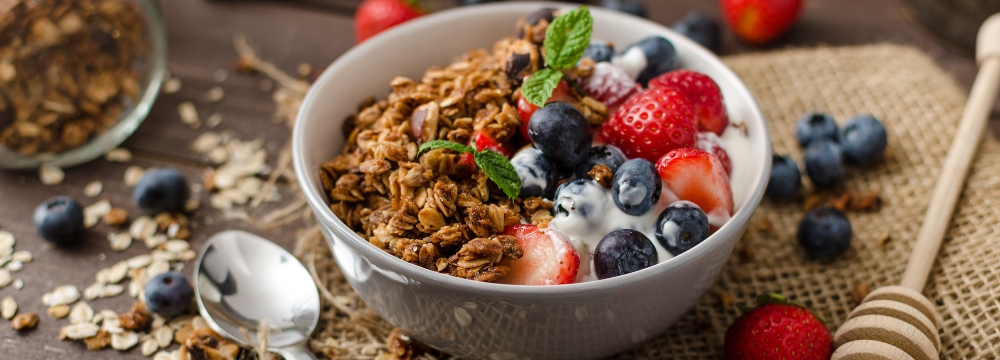
If you’re tempted to pop into the smoothie shop, your best bet is to create your own açai bowl so that you can control the amount of sugar in the mix. You can further enhance the bowl by adding interesting ingredients like cacao, chia seeds, or other superfoods. Top it off with some healthy (and less sugary) fruits, such as apple slices, kiwi, or other berries, and enjoy.
As delicious as they are, store-bought açai bowls often pack more sugar than you’d expect, and they’re just not as good for us as the real deal. Since açai berries aren’t naturally very sweet, many commercial versions rely on sweetened purées, juices, or added syrups to achieve their dessert-like flavor. Making your own bowl lets you enjoy the berry’s natural benefits without the excess sugar, and you still get a beautiful, flavorful meal that feels indulgent and nourishing at the same time – without the guilt.
If you need help discerning whether you’re creating appropriate food options, contact the team at Higa Bariatrics. We’ll walk you through nutritive must-have’s and help you create a lifestyle that’s suited to you.
Related Articles
See more Articles