

BMI
- Follow us
-

-

-

If you’ve ever needed surgery and have a BMI in the higher range, you may have been told that certain procedures aren’t advisable – or even possible. This is a common concern for patients with obesity.
While all surgery carries some risk, hernia repair is a widespread concern, highlighting how excess weight can complicate otherwise routine procedures.
Why do hernias form as a result of excess weight?
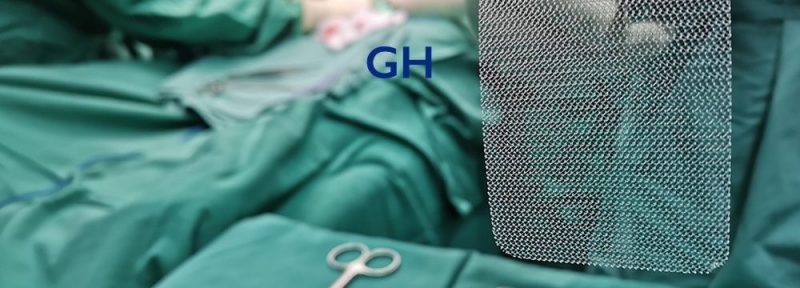
Hernias are defects in the strong fascia of the abdomen. They typically appear as small holes and gradually increase in size over time. Unlike other tissues, the body cannot repair a defect in the fascia involved in a hernia; as a result, surgery is the only option to correct it.
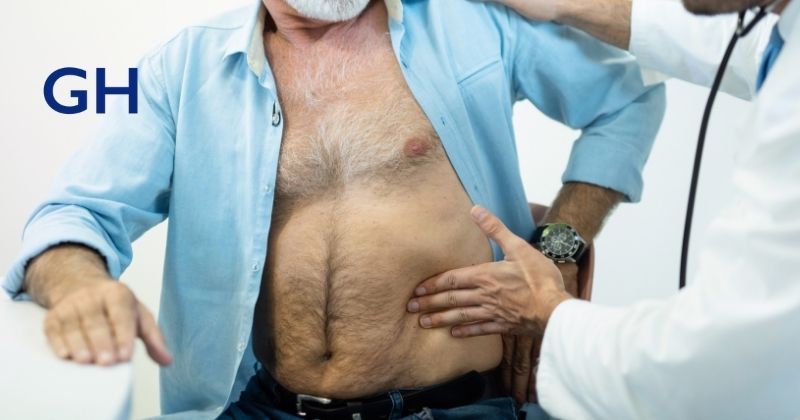
Hernias are typically treated when they become symptomatic – i.e., when they start to cause pain or a bulge in the abdomen or groin and interfere with the patient’s lifestyle. Asymptomatic hernias are usually left alone, unless they pose a significant threat. For example, a femoral hernia, which is often found in women, can be visible in the upper thigh and requires more immediate attention.
Fortunately, the most serious hernia complications – incarceration and strangulation, which require emergency surgery – occur in only about 1–2% of cases. That said, the risk can be higher for certain types of hernias and certain patients, and emergency hernia surgery carries far greater risks than elective or planned procedures.
Your BMI makes a difference.
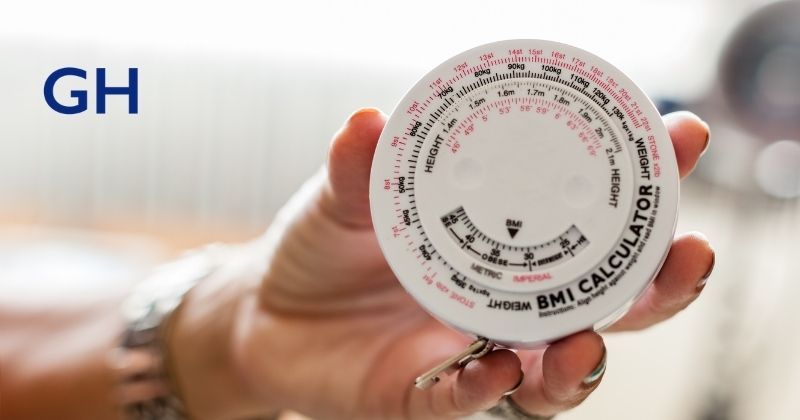
A BMI of 40 or higher is classified as morbid obesity, a range in which many patients face significant health challenges, including type 2 diabetes, high cholesterol, high blood pressure, sleep apnea, acid reflux, and other obesity-related conditions.
When chronic health issues are already present, surgery becomes riskier. Conditions affecting the heart, lungs, or metabolism can increase the likelihood of complications from anesthesia and the procedure itself. Recovery can also be slower, increasing the chances of wound infections, delayed healing, or hernia recurrence because the body is already working harder to cope with these underlying health challenges.
In patients with morbid obesity, careful preoperative planning and weight management strategies – potentially including GLP-1 therapy – can help mitigate these risks and improve surgical outcomes.
Do you repair a hernia during a bariatric procedure?
Sometimes. If a hernia is discovered incidentally during bariatric surgery, we evaluate it carefully before deciding whether to repair it. Tiny hernias that can be easily closed with sutures may be addressed at that time. Hernias containing a significant portion of intestinal tissue may also require repair. However, in most cases, hernias are left for a later procedure (typically 6 to 9 months after surgery) once the patient has lost enough weight to make the hernia repair safer and more effective.
A notable exception is a hiatal hernia, which isn’t located within the abdomen. Instead, it occurs when the opening in the diaphragm through which the esophagus passes becomes enlarged, allowing part of the stomach to push up into the chest cavity – and it’s something we see in a lot of bariatric patients.
Hiatal hernias are a common cause of acid reflux after a gastric sleeve. Because of this, we carefully look for and repair hiatal hernias when present. Repairing them during surgery reduces the risk of postoperative acid reflux and the potential need for revision surgery. That said, even after a hiatal hernia repair, there’s no guarantee of completely eliminating acid reflux, and we ensure patients understand this risk during consultation.
It might seem that repairing a hernia during another abdominal procedure would be a no-brainer, but it’s not that simple for patients with a higher BMI. For those with a BMI over 40, the risks associated with hernia repair are significant enough that these procedures are often performed separately from bariatric surgery.
Ultimately, as surgeons, our goal is to minimize potential complications and ensure that every procedure we perform is as safe and effective as possible. If you’ve been told you could benefit from surgery to correct a hernia or acid reflux, or if you’ve been struggling with weight loss and want to talk about your options, the team at Higa Bariatrics is ready with answers!
Related Articles
See more Articles